
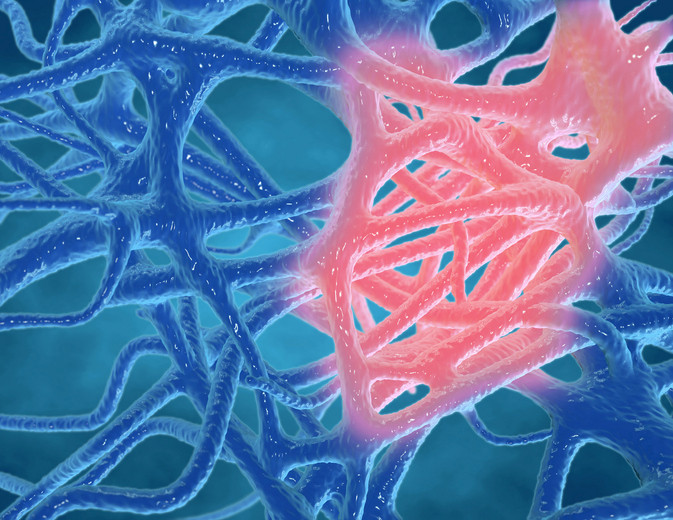
Inflammation is often thought of as something to be avoided, but the relationship between inflammation and healing is more nuanced than that. In its normal, well-regulated form, inflammation is an important early part of how the body responds to injury. This article gives a general, educational overview of the topic.
Inflammation and Healing: The Basics
When tissue is injured, the body mounts an inflammatory response as one of the first steps in repair. This phase helps clear away debris and sets the stage for the rebuilding that follows, and it is described in the literature as closely linked to the overall repair process (Eming et al., 2007). In this sense, inflammation and healing are connected rather than opposed.
Inflammation as Part of Repair
The inflammatory phase is generally understood as one of several overlapping stages of healing, alongside proliferation and remodelling (Eming et al., 2007). Each stage involves different cells and signals working together. Viewed this way, a controlled inflammatory response is part of how the body coordinates its recovery rather than something separate from it.
When Inflammation Becomes a Problem
Difficulties can arise when inflammation is excessive or fails to resolve. The literature describes how an imbalanced inflammatory response may be associated with poorer healing and, in some cases, with scarring (Eming et al., 2007). This is one reason the regulation of inflammation continues to attract research interest.
The Cellular Side of Repair
Among the cells studied in this context are mesenchymal stem cells, which are described as releasing mediators that can influence the local immune and inflammatory environment (Wu & Slater, 2025). This signalling role is part of the wider picture of how the body manages repair, although much about it remains under investigation.
Conclusion
Inflammation and healing are more closely linked than everyday language suggests, with a regulated inflammatory response forming an early part of repair. This overview is general in nature; for questions about your own health, please speak with a qualified healthcare provider.
References
- Wu, C., & Slater, G. (2025). Age-related decline in mesenchymal stem cells: Implications for degenerative disease burden and regenerative medicine strategies. PriMera Scientific Surgical Research and Practice, 7(1). DOI: 10.56831/PSSRP-07-234
- Eming, S. A., Krieg, T., & Davidson, J. M. (2007). Inflammation in wound repair: Molecular and cellular mechanisms. Journal of Investigative Dermatology, 127(3), 514–525. https://www.sciencedirect.com/science/article/pii/S0022202X15332917
Disclaimer: This blog is for informational purposes only and should not be considered medical advice. Please consult with your healthcare provider for any questions or concerns regarding your health.